
Go with your Gut
Feel it in your Gut
Gut Wrenching
Gut Reaction
Gut Check
It takes Guts
The gut, better known in the medical community as the gastrointestinal tract, is the long tube that starts at the mouth and ends at the back passage. Medical terminology aside, for most people, the gut represents a deep visceral connection to the human body – the conduit to our combustible engine. The gut is a slang term typically used to mean courage and strength. The general scientific term references where we store food, how we digest that food, and how it ends up in the anus, eventually exited as poop or feces through the rectum.
The gut is a mighty force to be reckoned with, both physically and what the term represents. The phrases associated with gut connotate a godlike presence – feeling something in your gut or making decisions based on your gut is a metaphor for how powerful the digestive tract is – how integral it is to human health. By deferring to “what does your gut tell you,” you listen to the all-powerful and mighty – it knows. Your gut also has a telepathic route right to your brain, and trust me; you will know when the gut isn’t right – physically speaking.
There are numerous signs of an unhealthy gut, with an upset stomach being the first. Disturbances like gas, bloating, constipation, diarrhea, and heartburn are sure-fire signs and ones that make it very obvious something is going on. Other signs can be sleep disturbances, constant fatigue, skin irritation, food intolerances, or unintentional weight changes. This list by no means is comprehensive, but some of the most obvious signs that something is wrong with your gut. You can make some changes in your diet and lifestyle that can help, and by whittling down the list below, you can find what works for you.
Take a Probiotic
Experiment with a probiotic source to see if your digestive symptoms are alleviated. Probiotics are live bacteria that are good for you and especially your digestive system. The word bacteria can connote disease, but probiotics are “good” bacteria because they help keep your gut healthy. You can choose a food with probiotics, yogurt, for example, or a probiotic supplement. The bacteria in your body outnumber your body’s cells 10 to 1, translating into 300 trillion bacteria living inside you, with most being in your gut. Having the right balance of gut bacteria can assist with weight loss, improve digestion, create healthier skin, and enhance your immune function. I use Doctor Formulated Once Daily Women’s probiotic from Garden of Life. I take one pill each morning, and I’ve noticed a difference with stomach cramping, gas, bloating, and all those fun descriptive terms that are grammar school worthy.
Eat Foods Good for your Gut
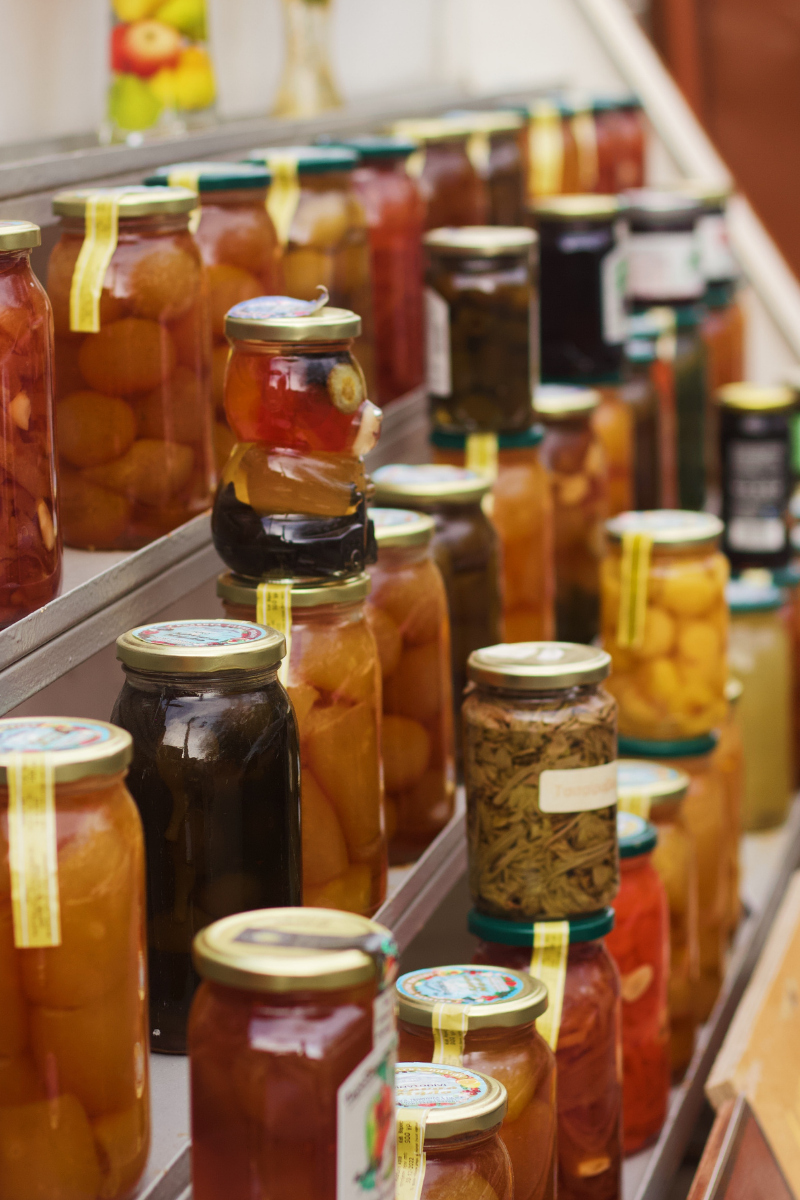
Eat foods that your gut will love – the first and foremost being pickled food. Pickled items or naturally fermented foods may help strengthen your gut microbiome. Reach for anything pickled – pickles themselves, sauerkraut, and all kinds of pickled vegetables. Before buying them off the shelf, however, make sure the label says “naturally fermented”. Sometimes these items are pickled from using vinegar and not the natural fermentation process using live organisms, which means they don’t contain probiotics.
If you are not into pickled food of any type, try foods that are high in fiber. High fiber foods cannot be digested by your body, but fiber can be digested by certain bacteria in your gut, which stimulates their growth. Some great examples include:
- Raspberries
- Artichokes
- Green Peas
- Broccoli
- Chickpeas
- Lentils
- Beans (kidney, pinto and white)
- Whole grains
Staying Hydrated
Drinking plenty of water aids digestion and is crucial for good health, especially gut health. Water and other liquids help break down food so that your body can absorb the nutrients. Water also softens the stool, which prevents constipation. Drinking water for any ailments is necessary, but the hard part is knowing just how much water to drink in a given day. Below is a convenient table to determine how much water to drink. Keep in mind your level of activity throughout the day and adjust your water intake accordingly.
| Weight | Daily Ounces of Water |
|---|---|
| 100 | 67 ounces |
| 110 | 74 ounces |
| 120 | 80 ounces |
| 130 | 87 ounces |
| 140 | 94 ounces |
| 150 | 100 ounces |
| 160 | 107 ounces |
| 170 | 114 ounces |
| 180 | 121 ounces |
| 190 | 127 ounces |
| 200 | 134 ounces |
| 210 | 141 ounces |
| 220 | 148 ounces |
| 230 | 154 ounces |
| 240 | 161 ounces |
| 250 | 168 ounces |
Exercise
Exercise can be listed as a panacea for most everything, especially for the gut. Exercise raises your core temperature and reduces blood flow to the intestines. This leads to direct contact between gut microbes and immune cells in the mucus of the gut, and can shift microbial composition. Also, exercise helps to keep us regular which means the digestive system is working like clockwork. Improving healthy microbes in your gut is like working towards accumulating good cholesterol – not all bacteria is bad for you and the good definitely outweighs the bad.
Manage Stress
It all seems to come back to stress levels in our lives – every thing we do. Entire books have been written on stress, so it’s no surprise that stress is hard on your gut. One of the keys to better digestion is regular stress management. Reducing stress can lower inflammation in the gut, ease GI distress, and keep you nourished, since your body can focus on absorbing the nutrients you need. The intestines have a tight barrier to protect the body from a majority of food related bacteria. Stress can make the intestinal barrier weaker and allow gut bacteria to enter the body.
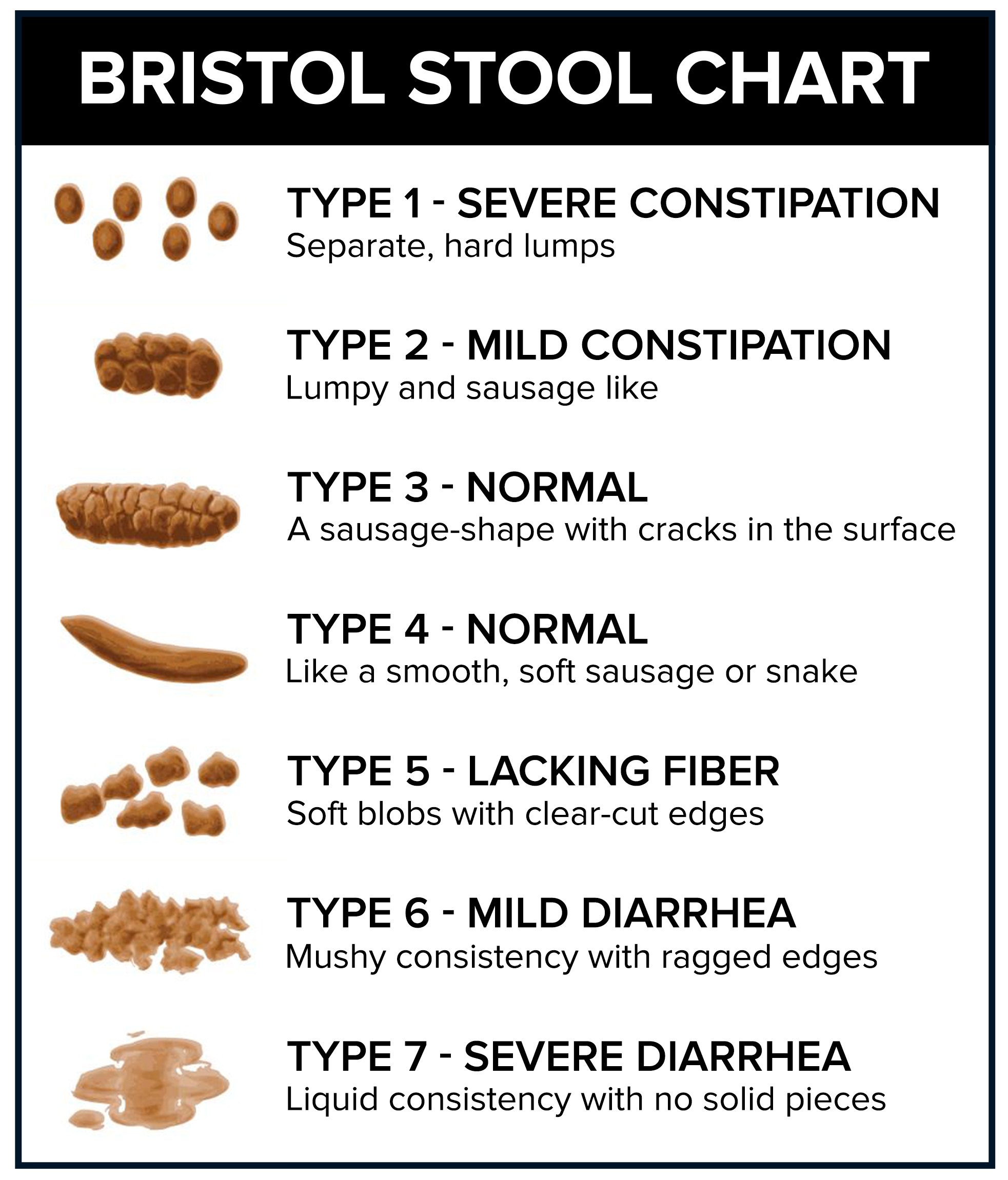
Trust me, when you find the right combination of symptom relieving options, your body will let you know. At the end of the day, it’s really all about your poop. Poop is a word that people find disgusting, but look at it this way – it’s one of the miracles of nature and is truly a beautiful thing. Our bodies take what we feed it, use it for nourishment, digest the food, and out it comes in the form of waste. Your stool should be brown and smooth like sausages. There is actually something called the “Bristol Stool Chart” that shows different types of stools and what they represent. If you don’t meet the criteria of a healthy gut by what your poop indicates – take charge! Try some of the options listed above and see if you make it to “Type 3 – Normal”. Happy pooping to all of you!
 Life Experiences Add Up