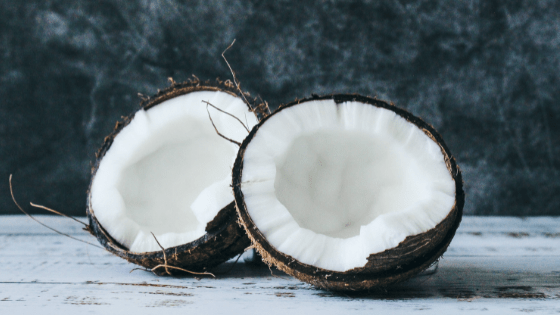
You put de lime in de coconut, you drink ’em bot’ togedder
Put de lime in de coconut, then you feel better
Put de lime in de coconut, drink ’em bot’ up
Put de lime in de coconut and call me in the morning
Harry Edward Nilsson
At this point, if my doctor recommended putting lime in coconut to make my stomach feel better, I would say I’m in. The classic Harry Nilsson song is about a woman who has a bellyache, and her doctor recommends she put a lime in a coconut, drink it all up, and call him in the morning. The doctor is prescribing coconut as a cure for a bellyache. I think the coconut is a remedy for almost anything – skincare, belly fat, antibacterial uses, cognitive processing, sleep, etc. Think I’m crazy? Let’s dig into this a bit.
I have been hearing about the benefits of coconut oil and the coconut but didn’t pay attention. Then I started drinking bulletproof coffee. Bulletproof coffee combines coffee made from high-quality beans with unsalted butter and a medium-chain triglyceride (MCT), such as that derived from coconut oil. The ingredients are blended, served warm, and resemble a creamy latte. Wait, what? Butter and coconut oil? The combination is heavenly – I don’t have the coffee crash, I have more energy than ever, and I started dreaming again. Is this coconut oil too good to be true?
The History of Coconut Oil
Did you know that the history of Coconut oil is as old as 4000 years? There is an estimated 3960 years in documenting the edible and healing properties of coconut flesh, coconut oil, coconut water, and coconut milk.
Alexander P. Ashbourne is the inventor of refining coconut oil. He first received a patent for treating coconut on Aug 21, 1877. The coconut oil process starts with filtration and bleaching by filtering it through an activated clay filter. The oil is heated to a very high temperature to remove any remaining coconut scent or taste and finally hydrogenated to ensure that no unsaturated fatty acids remain in the oil. Coconut oil has been full steam ahead since its inception. Unlike vegetable oils that contain unsaturated plant-based oils that cause heart disease, coconut oil contains natural saturated fats, with the health benefits of increasing HDL good cholesterol levels in your body. The uses for the coconut are many.
Health and Beauty

Coconut oil comprises a unique combination of natural fats, making it helpful in treating the skin. Ingredients include linoleic acid (beneficial for acne-prone skin) and lauric acid (hydrating and antimicrobial). Coconut oil helps to improve skin barrier function and repair, has anti-inflammatory and antibacterial properties, fights the signs of skin aging, and makes an effective moisturizer. You will save hundreds of dollars by substituting expensive health and beauty products with coconut. You can use coconut oil for the following:
- Deep Conditioning – Rub a tablespoon of coconut oil all over your hair and let it sit overnight – rinse out in the morning using shampoo. (Note – put a towel on your pillow while you sleep as the oil is a bit greasy).
- Nighttime Moisturizer – Rub coconut oil all over your face in a circular motion – the bonus is that you will get the benefits of a face massage. Rinse with your face-wash of choice.
- Use in Place of Lotion – Coconut oil is commonly used as a hydrating oil in its raw form or as a moisturizer ingredient, making it the perfect way to moisturize your entire body. I use coconut oil body cream, and it’s heavenly.
- Nourish Dry Cuticles – Massaging coconut oil into your cuticles and the skin around your nails can bring much-needed moisture to an often overlooked part of the body.
- Use in the Bath – Forget buying bath oils – dissolve a few tablespoons of coconut oil in your bath – your skin will thank you.
Cooking

Any recipe that calls for vegetable oil, replace it with coconut oil. Before cooking with coconut oil, it’s essential to understand which type you’re using. The smoke point of virgin coconut oil is 350°F — best for baking and sautéing. The smoke point of refined coconut oil is 400°F, making it a better option for frying or cooking at higher temperatures. You can substitute coconut oil 1:1 for other oils and butter in most cases. Since coconut oil usually comes in glass jars and is solid at room temperature, the best way to measure it is to heat it until it’s a liquid. If you’re sautéing with coconut oil or using it to grease baking pans, consider buying it in cooking spray form. You can store coconut oil in your pantry or fridge. Important – reach for virgin or unrefined coconut oil (organic whenever possible) for optimal health benefits.
Coconut Flour is another excellent use of coconut. You can use coconut flour as a unique alternative to wheat flour. For those people who cannot tolerate gluten, coconut flour is a popular option. If you are a low-carb enthusiast – coconut flour is for you. Aside from being nutritious, coconut flour can also be beneficial in promoting blood sugar stability, better digestion, heart health, and even weight loss.
Derivatives of the Coconut
In addition to the oil from the coconut, numerous items derive from this delicious fruit, with coconut milk coming to mind. Coconut milk is an opaque, milky-white liquid extracted from the grated pulp of mature coconuts. For any recipe that calls for milk, replace it with coconut milk. It contains medium-chain fatty acids, is lactose-free, has anti-inflammatory, anti-microbial, and anti-fungal properties, and may reduce stomach ulcers. There is no difference in taste, so why not go with a better option than milk? Dairy products contribute to the overall saturated fat, calorie, and cholesterol content of the diet and contribute to increased risk of obesity, heart disease, and type 2 diabetes.
Coconut flesh is the raw white meat inside the coconut shell containing high saturated fats. These fats don’t work quite the same way as other types of saturated fat in the body; instead, they might increase fat burning and reduce fat storage. The flesh can be eaten raw and fresh by scraping it out of the shell, or it can be dried and shredded and used as an ingredient for food dishes.
Coconut Water is one of my favorite uses of coconut. After exercising, I drink plenty of coconut water, especially after an intense hot yoga class. It is an excellent solution for treating dehydration related to diarrhea or exercise and is rich in carbohydrates and electrolytes such as potassium, sodium, and magnesium.
There is no harm in giving coconut a whirl – the health benefits are numerous, both inside and out. I’ll leave you with a few bon mots that will become your mantra soon enough.
You had me at coconut.
Don’t worry, drink a coconut.
Living the coconut kind of life.
 Life Experiences Add Up
Great post, so informative