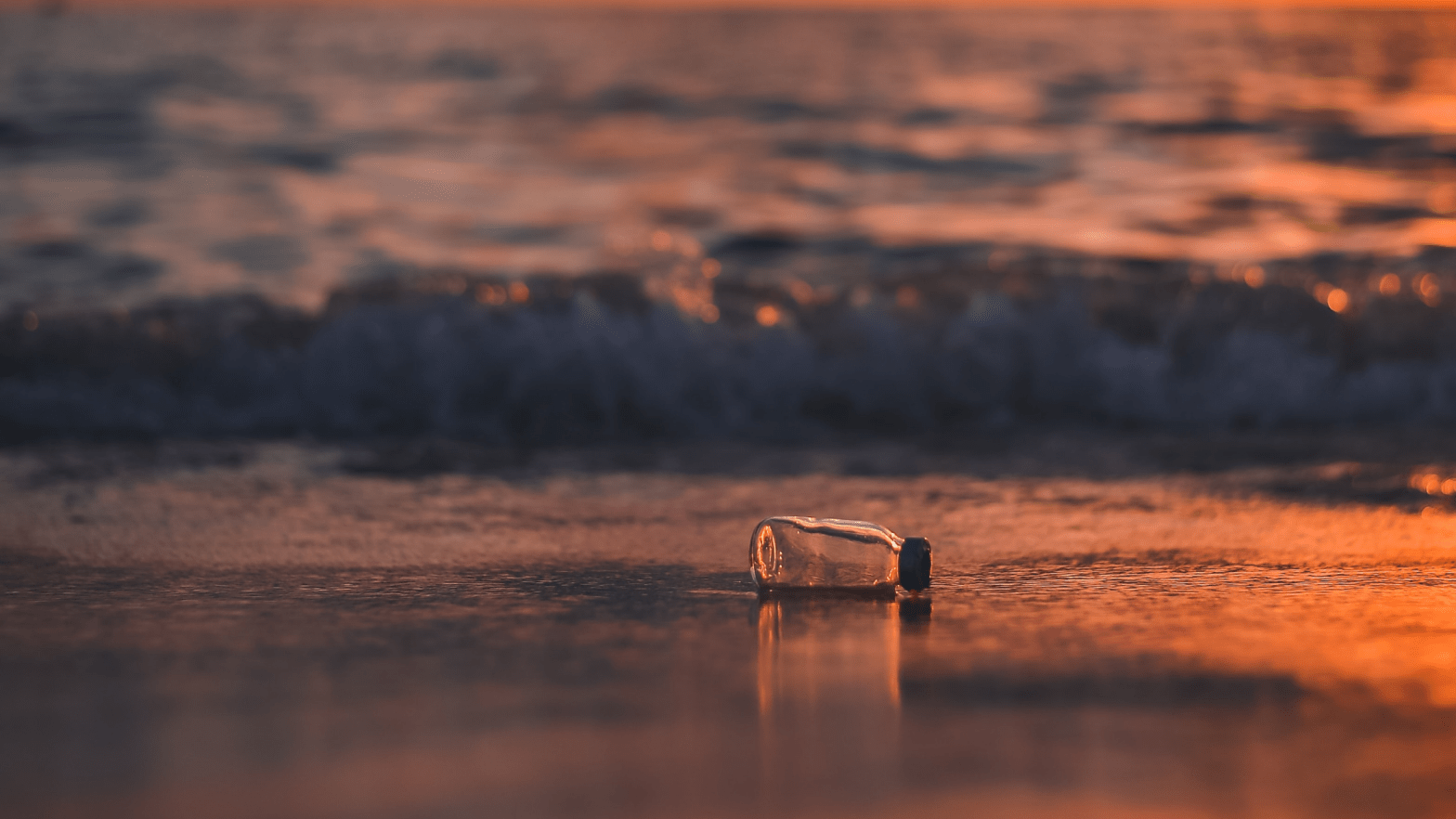
The plastic problem – I’ve had enough, and the environment has had enough. It’s time to do something about this issue and now. The amount of plastic waste is a severe problem, and collectively, humans are turning our planet into one significant plastic dumping ground. Several years ago, I remember being in Aruba, standing at the island’s northwestern tip, and being overwhelmed by the beauty of this very rocky and desolate environment. As I watched the waves come crashing down over the craggy rocks, I noticed a white shape billowing in the wind. For a minute, I thought it was a seagull, but as I craned my neck to look closer, it was a plastic bag. Standing in this rather stark environment, I went from being transfixed by beauty to the horror that our waste problem creeps in and shows up everywhere – there is no escaping any of it. Plastics rule the world, and despite a more concerted effort to use less of them, plastic production keeps rising.
Plastic never goes away. Manufactured plastic lasts forever, yet 33 percent of it is used once and then discarded. Plastic cannot biodegrade; it breaks down into smaller and smaller pieces. Production of plastic continues to rise, as do the mountains of plastic waste. Historically, plastic production has increased almost continuously since the 1950s, from 1.8 million tons in 1950 to 465 million tons in 2018. As of 2017, 7 billion of the 8.8 billion tons produced globally over that whole period have become waste. According to the latest data, plastics, the eighth largest industry domestically, accounts for more than one million jobs in the U.S. and $432.0 billion in shipments.
With stats like this, the direction of reduced plastic has to come from every one of us. We are responsible for slowing the demand for plastic – how? Just don’t buy plastics – it’s that simple. The plastic problem can be solved on a grassroots level – little by little. Finding alternatives for plastics means demand will go down, and the market will start to creep up for alternative packaging. It’s a simple as that. It can be overwhelming to figure out just how to accomplish this task, but you will realize it’s easier than you think by taking it step by step. Let’s get started.
Make a List
Take some time, look around your house, and list all the plastics that you use. Go from the laundry room, to the kitchen, the bathroom, garage – anywhere in your home that you have plastics. My first list was exhaustive – toiletries, baking items, pretty much everything in my entire refrigerator, gardening products, even planters. Where to begin?
Concentrate on one area at a time
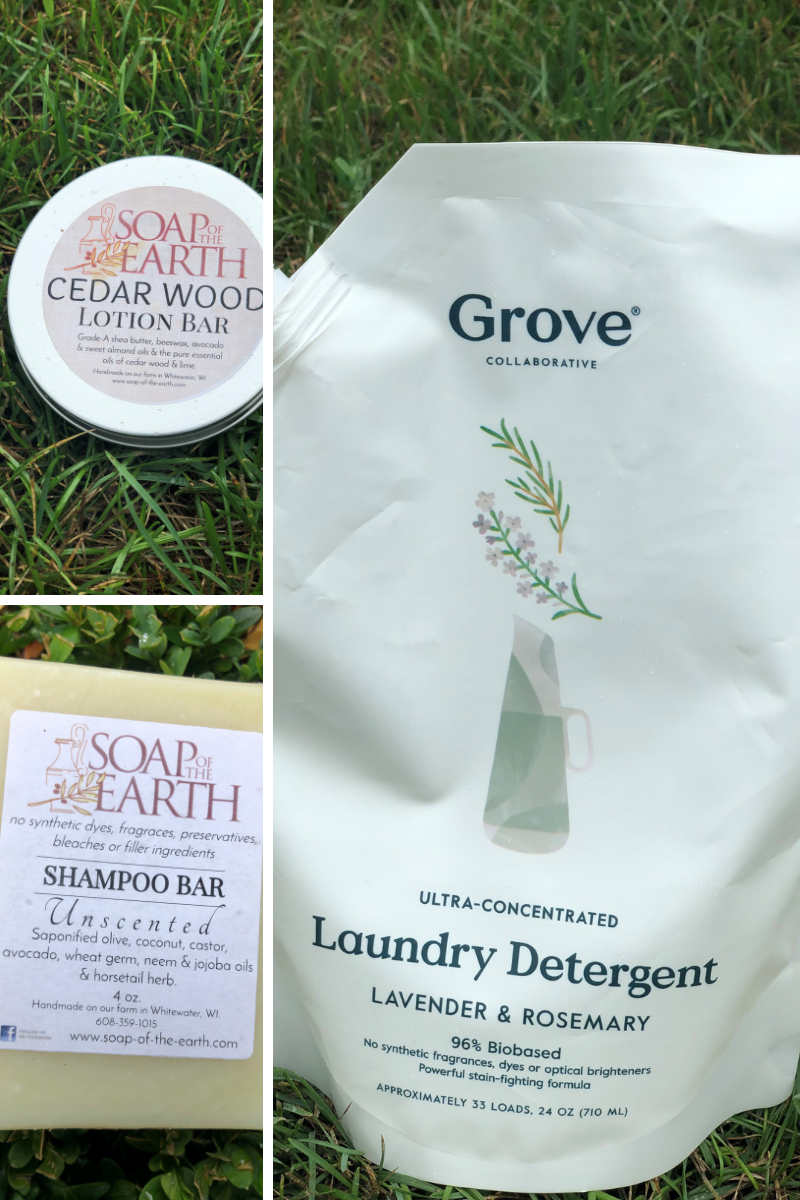
My first focus was household and personal care items. I made the switch to bamboo paper towels, walnut scrubber sponges, bio-degradable garbage bags, and biobased laundry detergent. For cleaning products, I eliminated them and now use vinegar, baking soda, and water. It is important to remember that there are plastics out there that are biodegradable and reusable, especially if you are finding the task daunting for complete elimination. I took to the internet and found the online subscription service company – Grove. Grove Collaborative features all-natural home, beauty, and personal care products that can be auto-delivered right to your door. This company focuses on sustainable, clean, and responsibly sourced products for home use and beyond. All Grove orders are 100% plastic neutral. For every ounce of plastic they send you, they collect & recycle an ounce of plastic pollution. They even provide shipping labels to send laundry detergent pouches back to them for reuse. No more shampoo bottles for me and no more body wash – we use good old-fashioned soap and shampoo bars. I purchase these items at farmer’s markets, and they work great.
Stop using plastic bags, period – end.
Stopping the use of plastic bags is a no-brainer. There are ample opportunities everywhere to purchase reusable shopping bags. If you are going to the store for just a few items, bring a backpack. My issue with bags initially was that I would always leave them in my car while shopping. I alleviate that problem by placing my shopping bags in the front seat passenger side. This way, they are right in clear view. Use them for groceries, clothes, and basically everything. If you are popping in a store for just a few small items, carry them out. There is no excuse for using plastic bags anymore, and the only way to stop them from being made is to stop the demand for them entirely.
Go Au Naturel in the Garden
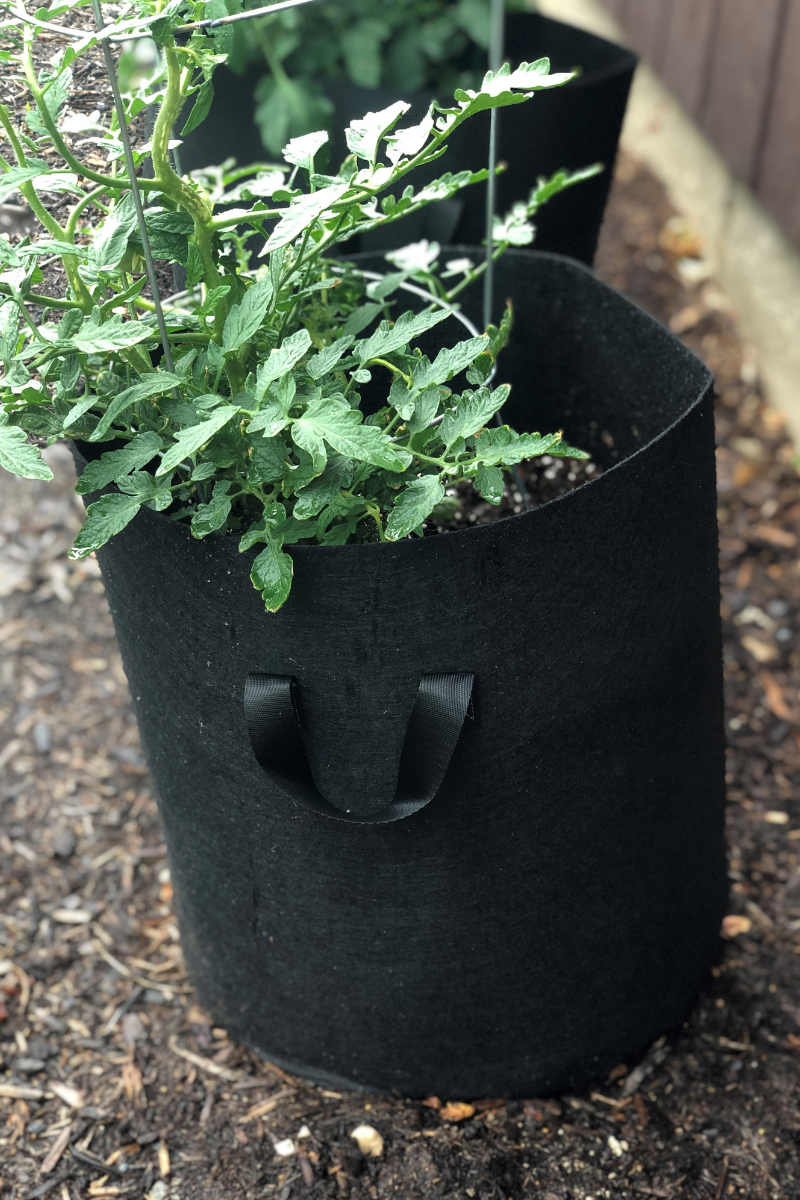
Take a look at what you have outside. I never realized how many plastic planters I had in my yard for all my container flowers and vegetables. I recycled all of them and went to nonwoven fabric plant bags. They do contain small pieces of woven plastic but are biodegradable. Biodegradable plastic bags can take anywhere from only a few months to a few years to fully break down. To compare, traditional plastic, on the other hand, takes hundreds of years to decompose fully.
Stop using water bottles, period – end.
Get yourself a hydro flask or a Yeti and use that for transporting beverages. When traveling, bring an empty container through security, and use a water bottle filling station to fill them up. Have your empty water containers on hand always. I leave one at work, I have several in the car, and plenty in the house. By the way, tap water is 100% safe to use in this country – fill your water bottle up anywhere with a sink. The EPS sets safety standards for drinking water, and the USA is the best in the world for safe drinking water.
What this comes down to is habit. Switching to environmentally friendly products and plastic elimination needs to be done at the granular level. Every human has to be responsible for this – it pays forward. Make yourself conscious when purchasing products, and there will come a point when you look back and think – I cannot believe I used plastic for everything. We need to wake up and become more aware. Our planet will thank us.



 Life Experiences Add Up