Living Purposefully

I have always wanted a life with purpose. I crave the satisfaction that I imagine a purposeful life represents, a life that is true to who I am and enables me to live as I see fit. This yearning is a daily presence primarily in my professional day to day world. We spend one-third of our lives at work or approximately 90,000 hours, and this represents a considerable amount of time on Earth to spend searching for meaning. This craving of having a deep personal connection with purpose shows up each day as I trot off to work in the morning – I imagine what it would be like to have a job where I am saving the world, making someone’s life easier, helping my fellow man.

This wonderful scenario of having a professional purpose is not in the cards for me at the moment. I do not have a job where I am saving the whales, or making mind blowing contributions to society, but here’s the deal – very few of us have those opportunities. We remain with jobs that lack meaning because we have bills to pay, and 401K’s to fulfill. This does not mean that we have to spend our lives acquiescing to the man as a trade off for our soul.

Over the past year, I made a serious commitment to be more involved in my own life. Instead of opting towards the convenient non-intentional way to live, I placed intention in the mundane, and lo and behold, without anticipating it, a sense of purpose started creeping in. It has been in my grasp all along, and I just wasn’t seeing it. This moment of connecting the dots between living more intently and creating purpose covered my whole psyche like a warm blanket.

My purpose, our purpose, can be to enrich not only our lives but the whole world by taking some little steps that cumulatively make a difference. How can this be accomplished, you say? It lies within daily living. Living with purpose takes the everyday mundane things in life, the ordinary, and moves each experience to the extraordinary. And as you fill in the blanks with purposeful intent, your days become more and more tolerable and generate an ability to navigate your work life as a more happy human. Purposeful intentions in your life can be cultivated in a myriad of ways, with just a few demonstrated in the way you shop, how you travel, what you eat, and through self creation.

Shop Local

Shopping local can be a very enriching experience. Farmers markets are just one example. Take the mundane out of going to the grocery store and make your shopping journey more meaningful. A thriving farmers market allows you to purchase everything you need for the week along with some added bonuses – running into people you know, and making new friends! There is nothing better than talking to a vendor face to face about their product – learning all the ingredients, uses, and most importantly, stories of creation. At our local farmers market, I met a 4th generation soap maker. I learned all about the goats on his farm, and how making soap turned into making candles, shampoo bars, and lotion bars (which are phenomenal). Selecting fresh produce takes on a whole new meaning when you converse with a farmer about how and where the produce is grown. An added bonus is walking away with a few new recipes.

By shopping local, you become a critical component in assisting with rebuilding local food economies – how is that for purpose? By providing a cost-effective, retail sales opportunity for local food producers, farmers markets help make farming profitable. Farmers selling at markets minimize the amount of waste and pollution they create. Many use organic practices, reducing the amount of synthetic pesticides and chemicals that pollute our soil and water. By getting yourself to a Farmer’s Market each week, you are part of this larger movement that is beneficial to the whole world.

Rethink Your Modes of Transportation

Pay attention to how you get from point A to point B. If you have the opportunity to walk or bike somewhere – do it. Possibly rethink grabbing that cup of coffee by driving to your favorite coffee shop, instead get that cup of coffee by putting on your walking shoes. I am fortunate to have shopping options close to my home – I can ride my bike to the Farmers Market, a few breweries, and even work. Sometimes not taking the convenience route makes the whole experience more memorable. You save money on gas, get wonderfully fit, and all the fresh air allows you to decompress. At the end of the day, you have contributed to saving the environment with fewer gas emissions, and what an excellent purpose that is!

Cook at Home

Cooking at home makes the effort worth it. Not only is home-cooked food a calorie saver, but it also makes eating more intentional, especially if you have someone to cook with and to cook for. Planning meals is more thoughtful than ordering off a menu and puts you in the driver’s seat to precisely know what you are putting in your body. Cooking at home nourishes a creative side and allows time for connecting with family after a long workday. Home-cooked meals help you to look and feel healthier, boost your energy, stabilize your weight and mood, and improve your sleep and resilience to stress. Cooking at home makes all of us environment savers as it allows us to choose component ingredients over processed meals, and that seriously cuts down on packaging waste. An added bonus is food scraps can be composted or taken to your local recycling center. The most significant reward of all is that your wallet will thank you!

Use What You Have

Strive to use up what you have. It is way more intentional to exhaust your never-ending supply of stuff than to run out and buy the latest and greatest version. If there is anything a pandemic has taught me, it’s to use what I have so trips to the store become much less frequent. While quarantining at home, I combed through all my cabinets and was distressed by how many lotions, hair treatments, bottles of nail polish, and face creams I had – not to mention food stuffs in the pantry. I slowly whittled down my coffers by using each item, product by product. Once things were down to a manageable level, I assessed just how much I really needed and restocked with items that had an end date for use. I found this beneficial – if there was a product I wasn’t sure I would use, game over. I did this exercise with all my toiletries and kept it in my mind as I organized the garage and basement. In a world where it is so easy to buy things, being more intentional about our purchase choices makes life more purposeful.

Make It on Your Own

Using your own resourcefulness, you would be surprised at the things you can make on your own. Next summer, try growing basil either in a garden or in a pot on your patio. Basil is something you can pick all summer long and place in vegetable dishes and more. Come fall, make your own homemade pesto and freeze it. This is super easy to do and it’s comforting knowing you can have fresh pesto anytime you like. No need to purchase cleaning products anymore, by the way – all you need is baking soda and vinegar. Baking soda removes stains, odors and keeps stainless steel shiny and bright. Baking soda is also a revelation as a beauty product. Face masks, face wash, teeth whitener, body scrub, even dry shampoo can be made at home with baking soda. It’s less expensive than buying these products at the store and does not come in wasteful plastic packaging. And talk about a purpose – by merely using natural items found in your kitchen, you are helping the environment, bit by bit. Many surfactants used in conventional products biodegrade into more toxic chemicals, threatening aquatic life. Ingredients containing phosphorus or nitrogen can contribute to nutrient-loading in water bodies, leading to adverse effects on water quality.
Write – Don’t Text

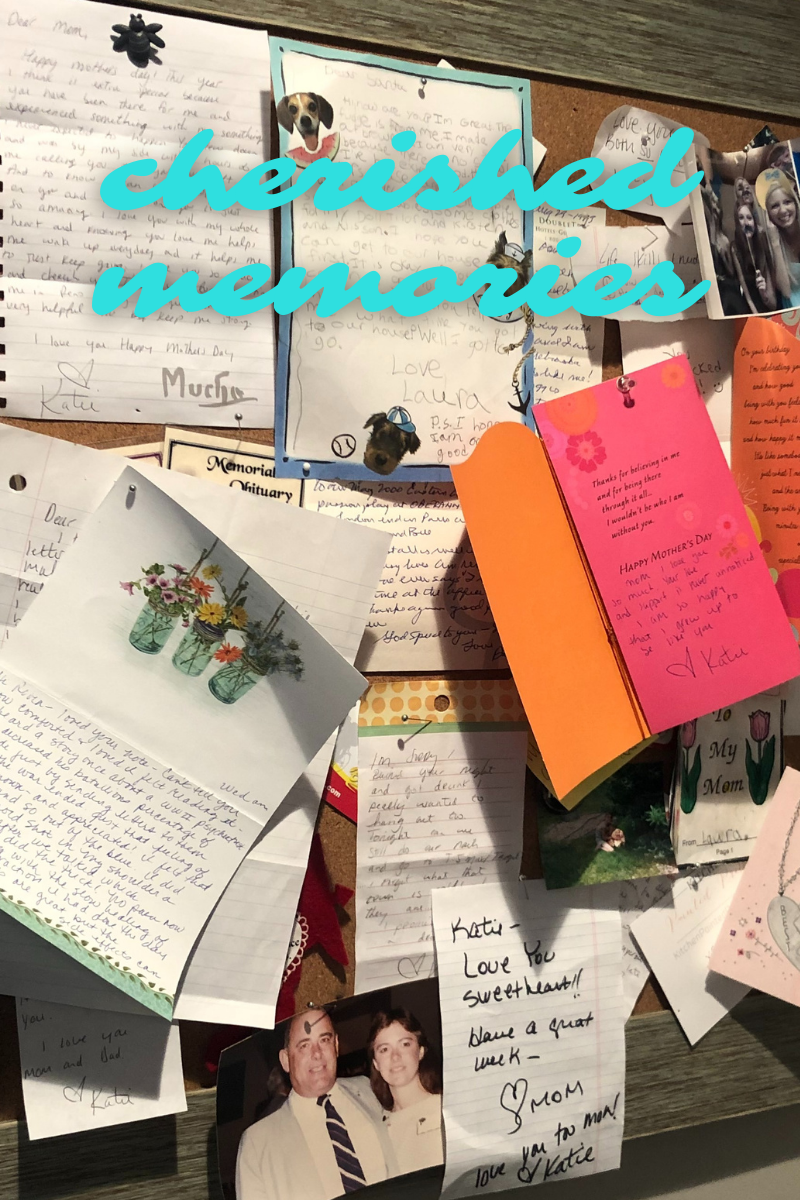
Sending a hand written note is honestly one of the most intentional things you can do. They demonstrate just how important the recipient is to the sender. These notes become a personal artifact that become a cherished memory. People understand what goes into handwriting a letter, particularly when sending an email or text is so much easier, so a handwritten letter is always appreciated. If writing is not your thing, or something you want to develop – just sending a card with your signature is more purposeful than a text, or a Facebook post.

Use what you have within your toolbox to create a life with purpose – there is no need to look elsewhere. A healthy sense of purpose helps you put your life in perspective, refocus on the things that are meaningful to you, and move ahead and enjoy life. Life is existence only and purpose is the goal. Once you understand this, your ways of living will change totally. A purposeful life transcends merely existing, and transcendence will bring you to more peak experiences that translate into your purpose.
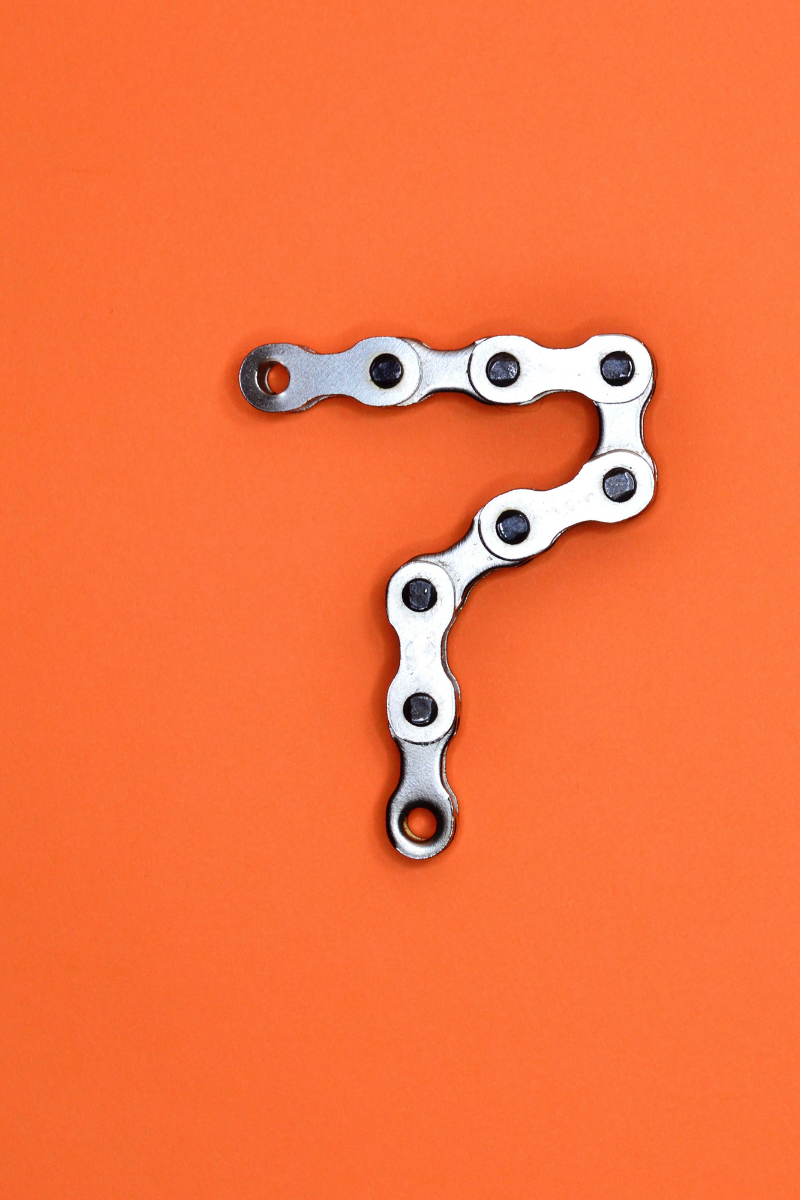
Shifting Gears

Life is all about shifting gears – just like riding a bike. Your bike’s gearing system’s job is to help you make the most of your muscle power. Your life’s gearing system job is to help you adapt. Life, just like the road, provides twists and turns, steep inclines, and deep valleys. Imagine trying to navigate all of these roadblocks while remaining in the same gear and not using tools at your disposal to make the road a bit lighter, the hill not so strenuous, and the downhill spiral a bit more manageable. Shifting gears in life allows for breathing room from the challenges we humans face daily, if not hour by hour. It is within us to shift gears, and as I reflect on 2020, most of us did this splendidly.

Life during a pandemic brings shifting gears to the forefront.

Life has changed drastically for many of us, and the ability to adapt is never more crucial. If you don’t shift gears, the once usual, easy way of doing things becomes more difficult. As COVID waged its war, life transitioned to lockdown, which seemed incomprehensible at the time. Clubs stopped having monthly meetings, church services canceled, the economy crawled along, and livelihoods terminated. Vacations, weddings, and graduations became no more. It appeared as if life was putting on the brakes and coming to a screeching halt. As a human race, however, we shifted. We discovered Zoom, Webcasts, Facetime, and Live Streaming. We used these technologies for meetings, book clubs, Friday night poker sessions, trivia nights, church services, the Grammy’s, sporting events, and the infamous ball drop on New Year’s Eve in New York City. Shifting gears allowed us to continue our connections with friends, family, and loved ones with more ease than anticipated. Can you imagine what would have happened if we didn’t? We would have resorted to a type of pony express life where things could take days to figure out, resulting in so many lost connections – too numerous to count.

The pandemic taught me the importance of shifting down

Before 2020, things in my life were spiraling all over the place. There was not enough time in the day to accomplish everything I wanted to do. Couple that with engagements night after night, and our home became nothing more than a pitstop. My husband’s and I’s weekly calendar looked more like a battle strategy than for daily living. Who will go where and when, who will pick up the groceries, make dinner, clean the bathrooms – these were the questions of the day. On top of it all, I had to try and fit in a time block to “relax.”

The pandemic of 2020 taught me the importance of shifting down. I put the breaks on the fast downhill ride that leads to a panicked state of “how do I stop this train?” As the pandemic steamed forward and events canceled, shutting down my computer at the end of my workday meant home for me – an oasis for the first time in a long time. With no appointments or engagements to run to in the evenings, I was able to unwind, cook dinner, and enjoy a cocktail hour with my husband. With drinks in tow, we took to sitting in our driveway, waving at neighbors and friends out for an evening stroll. This simple connection of a wave and “good evening” gave me joy daily. My husband and I relished the whole summer as we looked at the weekends ahead of us with the guilty pleasure of knowing we had nothing to do and nowhere to be. We gardened, rode bikes, and became reacquainted with our lives at home. My current lifestyle is one I would not have recognized pre 2020, but what a welcome sight it is. Not having the ability to shift down would have left me without this realization. Life would have come to a halt, leaving me scratching my head.

Shifting gears is constant

Shifting gears is constant, but for many, not an option considered. Humans have the distinct ability to make life more complicated than it has to be by trying to stay in the same place as life marches forward and circumstances change. Being stuck in life is not where anyone should be. The freeing feeling is where you adapt to the situation at hand so that those challenges in life, or even the dull, monotonous moments, can be navigated a bit easier.

I am reminded of this never ending shifting as I spend my winter break, the time between the Christmas holiday and the New Year, at home. These precious few weeks have always been my favorite of the year – the outrageously insane schedule I keep slows way down, and I dedicate this time to family and nesting. I try to stay in my PJ’s all day — binging on media, organizing my spice cabinet, cleaning out the basement. I go for long walks with my husband and make all sorts of plans for the New Year. It’s my time for rejuvenation and rest.

This year is different. My break at home does not seem as special as it used to, simply because it is merely more of the same – I have had numerous weekends and evenings at home – too many to count. I shifted my expectations of what this week should be, and spiced up this winter break with new plans, new thoughts, and different routines. I said to hell with it and drank wine every night. I did not check my work emails – not once. I baked (which for those who know me, is something I never do). I made a list of all the movies I had never seen and checked them off my list. I took a few bike rides in the cold which was not as terrible as I thought.

As I freed up my time from my normal organizational winter break mode, my creativity flowed. I looked at each room in the house with a different eye, planning to incorporate more art and color in each room to create a more vibrant home. I rode the flat, slow weeks of the break with lighter gear and came away a lot less weary. I shifted my perspective and grew a little in the process.

Staying in the same place doesn’t allow for growth and hinders stamina, which is the crucial ability to sustain the physical or mental effort necessary to move forward.

Sleep

No one can underestimate the need for sleep – it is one of the most crucial factors in human health. Sleep deprivation can kill you – it is that important. A good night’s sleep is life-changing. You think more clearly and have more energy, not to mention what goes on at a molecular level. Not only does deep sleep trigger the body to release hormones that promote healthy growth in children and teens, but this hormone also boosts muscle mass and helps repair cells and tissues in adults.

As important as sleep is, people of all ages have sleep issues, but not more evident than in older adults. As people age, they tend to have a more difficult time falling asleep and more trouble staying asleep than when they were younger. It is a common misconception that sleep needs decline with age – sleep needs remain constant throughout life.

This pressure of having to get a good night’s sleep can make falling asleep challenging. Something so natural as giving way to your body’s fatigue from the day turns into a stressful struggle as our thoughts move to an almost panicked state with the need to fall asleep. We toss and turn as we think of what we have to do the next day and how our sleep deprivation will ruin it. Not to mention the awful feeling of being so tired at work that you cannot keep your eyes open. These thoughts go on until the point of absolute frustration, which prevents sleep from happening altogether.

I stopped fighting this pressure to fall asleep awhile ago as this very pressure kept me from getting those ZZZZ’s. I decided to get pissed off at my brain for driving the body bus – if sleep eludes me, I don’t beat myself up for it. I stopped focusing on trying to fall asleep; instead, to focus on relaxing. Controlled breathing, mindfulness meditation, progressive muscle relaxation, and guided imagery are examples of relaxation methods that can ease your sleep.

There are recommendations from sleep experts that help me fall asleep, and I am an avid practitioner. Here are a few of the recommendations that I follow:

Sleep with a weighted blanket: I inadvertently learned about weighted blankets one night as I struggled to fall asleep. It was close to 2 am, and I was in a full-blown panic state. The next day’s thoughts about how tired I was going to be made me even more stressed. My husband cradled my body next to his and wrapped his arms around me, and it felt like a dog must feel when they wear those thunder shirts – my husband was my thunder shirt! In mentioning this to a friend, she said that weighted blankets were the very thing. Weighted blankets were initially used for the treatment of children with severe anxiety, autism, and post-traumatic stress disorder (PTSD). Doctors discovered that weight could be calming and created a heavy blanket for the whole body, which distributes weight evenly. I cannot recommend these blankets enough. Below is a guide for purchasing:

YouBlanket
65-129 lbs10 lbs
130-199 lbs15 lbs
200 lbs20 lbs
Weighted Blanked Guide

Reserve Your Bed for Sleep and Sex Only:  Hanging out in bed on a rainy day or doing all kinds of activities in your bed (especially if it’s comfortable) may cause bedtime problems. You want a strong mental association between your bed and sleep, so be mindful of keeping activities in your bed limited strictly to sleep and sex.

Cultivate an Environment for Sleeping: Rid yourself of screens when going to bed – no phone, no TV. Exposure to light makes it difficult to sleep. Create a dark and quiet environment and one that is cool. I run cold but started sleeping with the window open (just a crack), and it has made all the difference. The cold air, especially in wintertime, creates an environment where you want to crawl under the covers and nestle in. 

Have a Sleep Routine: Going to bed around the same time each night is healthy. The recommended amount of sleep for a healthy adult is at least seven hours. Go to bed and get up at the same time every day – even on the weekends (if you can). Consistency with a sleep routine reinforces your body’s sleep-wake cycle.

Treat Yourself: Wait – what? Treat yourself in your sleep? I have several little routines that make going to bed rather joyous. I run a diffuser every night using my favorite essential oils – lavender and peppermint are my go to’s. I also rub a bit of the oil on my chest, and it smells so good. A diffuser is a device that spreads something over a wide area. Using a diffuser for essential oils takes the pleasant smelling, therapeutic essential oils, and spreads (diffuses) them throughout your home or workplace. If you live in a dry climate, run a humidifier while sleeping. Your skin will thank you, and you don’t lay there in bed feeling itchy.

I also treated myself by downloading a “nature sounds” app. There are numerous sounds to fall asleep to – rain, thunder and rain, pleasant beach, waterfall, bird trills, rain forest, and oh so many more! I look forward to selecting just that particular sound that transforms me into a happy place, and getting caught up in that just perfect sound is a sure-fire way to get adequate rest. You can also set a timer with the app to shut it off at a particular time.

My husband calls our bedroom the “Zen Den” due to these items listed above, and that makes me happy. The bedroom should be your reprieve when you treat yourself, your body, and your mind to ensure ultimate success during your waking hours and throughout your life.

Sleep is the best meditation
Dalai Lama